
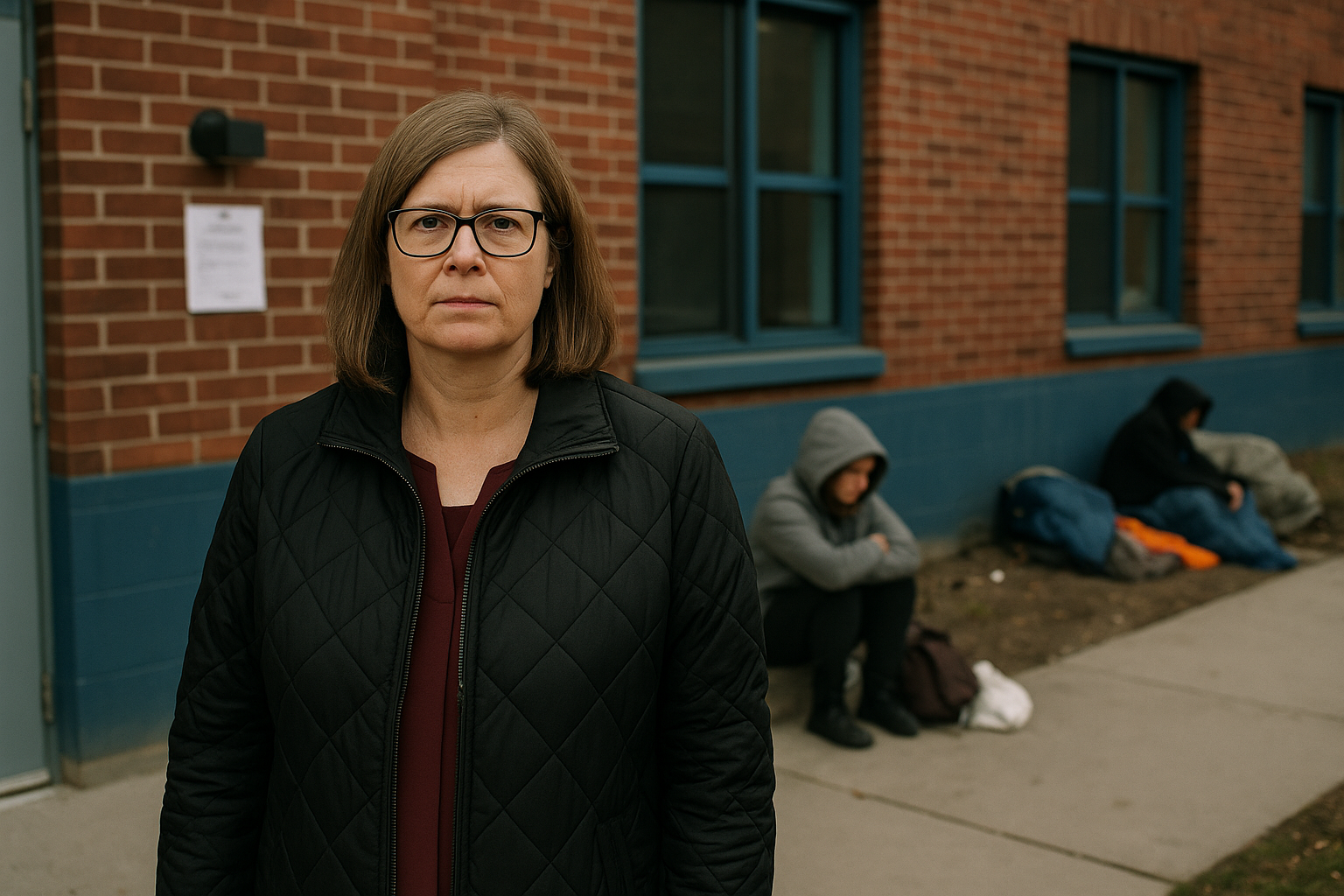
As winter temperatures intensify across Waterloo Region, a renewed push is underway to address the growing needs of women experiencing homelessness in Cambridge. A regional councillor, supported by local outreach organizations and community advocates, is calling for dedicated funding to establish a women-focused warming shelter—an initiative aimed at providing safety, dignity, and essential support during the coldest months of the year.
The proposal highlights not only the urgency of winter shelter needs but also a shifting understanding of homelessness in the region, particularly among women who face unique risks while living without stable housing.
Proposal Headed to Regional Committee
A motion scheduled to be presented to a regional committee on Dec. 16 seeks approval for $176,000 in funding to create a women’s warming shelter in Cambridge. The motion is being brought forward by Regional Councillor Pam Wolf, who has been working alongside local service providers to identify gaps in the current shelter system.
If approved, the funding would support the establishment of a warming centre offering overnight accommodation during winter months. The proposed shelter would provide women experiencing homelessness with a warm, safe place to sleep, along with access to hot meals and clean drinking water—basic necessities that become critical during extreme cold weather.
The initiative reflects growing concern among regional leaders and community organizations that existing shelter options are insufficient to meet current demand, particularly for women.
Changing Face of Homelessness in Waterloo Region
According to Kim Decker, Chief Executive Officer of YWCA Cambridge, recent data and frontline experience are reshaping how homelessness is understood in the region.
New Data Reveals Growing Need
“The information that we’ve been gathering and the numbers that we’re seeing are starting to paint a very different picture of what homelessness looks like in our region,” Decker said during a recent interview.
Decker explained that women experiencing homelessness are often underrepresented in traditional counts because they are more likely to seek temporary arrangements, couch-surf, or remain hidden due to safety concerns. However, service providers are increasingly encountering women who are unsheltered or at immediate risk, especially during the winter.
The most recent Point in Time count—a standardized method used to estimate homelessness—found that approximately 2,300 people in Waterloo Region are currently experiencing homelessness. Advocates say this figure underscores the need for expanded and targeted shelter services.
Existing Warming Shelters at Capacity
While Waterloo Region does operate warming shelters, Decker emphasized that available spaces are already stretched thin.
Turning People Away Due to Lack of Space
Warming shelters across the region are frequently at or near capacity, forcing staff to make the difficult decision to turn people away. Decker described this as one of the most challenging aspects of shelter operations.
“It’s so difficult because we know that we’re turning them away and they are going to be back on the street,” she said. “They’re looking for a place that’s safe for them, because we know that gender-based violence is inextricably linked to homelessness.”
For women, particularly those who have experienced violence or trauma, the lack of gender-specific shelter options can be a significant barrier to seeking help. Advocates argue that mixed-gender shelters may not always feel safe or appropriate, especially for women fleeing abuse.
Why a Women-Only Warming Shelter Matters
Supporters of the proposal stress that a dedicated women’s warming shelter is not merely an expansion of services, but a necessary response to the distinct challenges women face while homeless.
Safety and Dignity as Core Priorities
Women experiencing homelessness are disproportionately affected by gender-based violence, harassment, and exploitation. Without access to safe shelter, many are forced to choose between dangerous situations on the street or unsafe indoor environments.
A women-only warming shelter would aim to address these concerns by providing a space designed specifically with safety, privacy, and trauma-informed care in mind. In addition to shelter and food, such spaces often connect women with longer-term supports, including housing assistance, counselling, and health services.
Advocates say these supports can be critical stepping stones toward stability and recovery.
Community Partnerships Already Taking Shape
One of the strengths of the proposal lies in the community support already being mobilized. Decker noted that YWCA Cambridge has been in active discussions with several churches across Cambridge that have expressed willingness to host the warming shelter.
Churches Prepared to Open Their Doors
Faith-based organizations have historically played a key role in emergency shelter responses, particularly during winter months. According to Decker, multiple churches are prepared to provide space, pending funding and logistical approvals.
These partnerships could allow the shelter to be established relatively quickly, ensuring women have access to warmth and safety during the upcoming winter season.
Role of YWCA Cambridge
YWCA Cambridge has long been a central provider of services for women and families in the community, with a focus on safety, equity, and empowerment.
Advocacy Rooted in Frontline Experience
As an organization that works closely with women facing housing insecurity, violence, and poverty, YWCA Cambridge brings valuable frontline insight to the discussion. Decker’s advocacy reflects years of experience witnessing the gaps in the system and the real-life consequences of inadequate shelter capacity.
YWCA Cambridge also plays a role in connecting individuals with longer-term housing solutions, making its involvement in the proposed warming shelter a potential bridge between emergency relief and sustainable outcomes.
Regional Decision Could Shape Winter Response
The upcoming regional committee meeting on Dec. 16 will be a key moment for the proposal. Approval of the $176,000 funding request would allow planning and implementation to move forward during a critical period.
Broader Implications for Homelessness Strategy
Supporters argue that the initiative aligns with broader regional goals to address homelessness through both immediate and long-term measures. While a warming shelter does not solve homelessness on its own, it can prevent life-threatening exposure to cold and provide a crucial point of connection to services.
Opponents or skeptics may raise concerns about cost or sustainability, but advocates counter that the human and social costs of inaction are far greater.
Conclusion: A Call for Compassion and Action
As winter settles in, the push for a women’s warming shelter in Cambridge underscores a growing recognition that homelessness in Waterloo Region is evolving—and that responses must evolve with it. With shelters already at capacity and hundreds of women facing heightened risks on the streets, the proposed funding represents more than a budget line item; it represents a commitment to safety, dignity, and community responsibility.
If approved, the initiative could offer immediate relief to women in crisis while reinforcing the region’s broader efforts to address homelessness with compassion and evidence-based solutions. For advocates like Kim Decker and community partners across Cambridge, the message is clear: no one should be left out in the cold.
Leave a Reply